B2B E-commerce for International Wholesale: A Guide
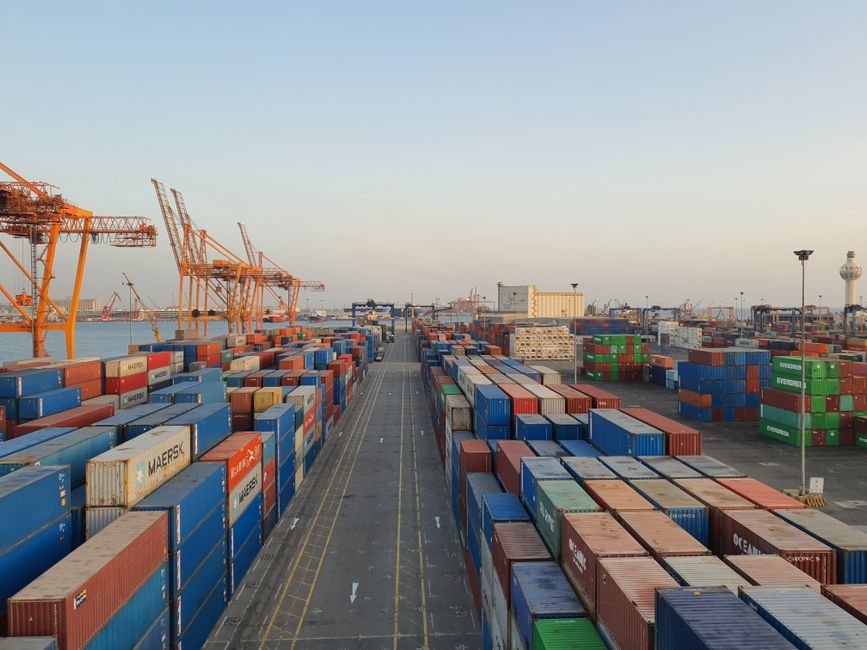
B2B e-commerce platforms help wholesale brands sell internationally by automating currency conversion, handling compliance documents, connecting with verified overseas buyers, and integrating cross-border payment and shipping systems in one place. The alternative is managing spreadsheets, email threads, wire transfers, and customs paperwork manually for each market, which limits how many countries a brand can realistically serve.
Why Manual International Wholesale Doesn't Scale
Selling to retailers in other countries without a dedicated system means quoting prices in multiple currencies by hand, sending pro forma invoices as PDFs, waiting days for wire transfer confirmations, filling out commercial invoices and certificates of origin for every shipment, and coordinating freight forwarders over email. Each new market adds another set of tax rules, tariff codes, and buyer expectations. A brand might handle five or ten international accounts this way, but growth past that point requires either hiring trade specialists or turning down orders.
B2B e-commerce software replaces the manual steps with automated workflows. Buyers see prices in their local currency, place orders through a portal that calculates duties and shipping costs, pay with region-appropriate methods, and receive tracking and documentation without the seller needing to intervene in each transaction.
Multi-Currency Pricing and Payment Processing
International buyers expect to see prices in their own currency and pay without currency conversion fees eating into their margin. A B2B platform displays product catalogs with real-time exchange rates or fixed prices per region, depending on how the brand structures its pricing. Payment processors integrated with the platform accept local payment methods such as SEPA transfers in Europe, Alipay in China, or Boleto Bancário in Brazil, in addition to credit cards and ACH.
Some platforms integrate instant credit vetting services like Balance, Resolve, and TreviPay, which assess creditworthiness for international buyers and offer net terms without the brand taking on the risk. This matters because many overseas retailers expect 30- or 60-day terms and will not place orders on prepayment-only terms.
Automated Compliance and Documentation
Every international shipment requires a commercial invoice, packing list, and often a certificate of origin, shipper's export declaration, or other documents depending on the destination country and product category. Filling these out manually for each order is time-consuming and error-prone. A mistake in the Harmonized System (HS) tariff code can delay a shipment at customs or result in incorrect duty charges.
B2B e-commerce systems generate these documents automatically based on the order details and product data already in the system. The platform pulls the correct HS codes, calculates duties using tariff databases, and produces print-ready PDFs that meet the format requirements of customs authorities. Some systems connect directly to freight forwarders and customs brokers, transmitting shipment data electronically so the brand does not need to re-enter information.
For brands that need help beyond software, services like the export and global trade program offered by Get Wholesale Orders handle compliance documents, shipping terms, and distributor matchmaking so brands can enter new countries without hiring trade specialists.
Connecting with International Buyers
Finding retail buyers in other countries is harder than finding domestic ones. Trade shows and industry directories exist, but vetting which stores are real, creditworthy, and a good fit takes research. B2B platforms with built-in marketplaces or buyer networks give brands access to verified international retailers who are already looking for new products.
Some platforms include tools for targeted outreach to buyers by region, category, or store type. Email campaigns, product catalogs, and order history live in the same system, so a brand can see which international buyers have browsed products, requested samples, or placed a first order, and follow up accordingly.
For brands that want this done for them, full-service providers handle the outreach, pitching, and follow-up with verified retail buyers in target markets.
Inventory and Fulfillment Across Borders
Shipping internationally from a single warehouse works for some brands, but others need local stock to reduce shipping times and costs. B2B platforms that integrate with warehouse management systems (WMS) and third-party logistics (3PL) providers can route orders to the closest fulfillment center automatically. A buyer in Germany might receive their order from a European warehouse, while a buyer in Australia gets theirs from a regional partner, all managed through the same platform.
Integration with ERP systems like NetSuite, SAP, Microsoft Dynamics 365, Shopify Plus B2B, Katana, and QuickBooks Enterprise keeps inventory counts synchronized in real time, so international buyers see accurate stock levels and the brand avoids overselling.
Handling Returns, Disputes, and Customer Service
International returns are expensive. A B2B platform with built-in customer service tools lets buyers open return requests, upload photos of damaged goods, and communicate with the seller without switching to email. The seller can issue partial refunds, offer replacements, or authorize returns based on the situation, and the entire history stays in the system for future reference.
Some platforms include dispute resolution workflows that help brands and buyers settle issues before they escalate to chargebacks or formal complaints. Clear terms of service, return policies, and shipping insurance options displayed at checkout reduce confusion and set expectations upfront.
Reporting and Analytics for Global Sales
A brand selling in ten countries needs to know which markets are growing, which products perform best in each region, and where customer acquisition costs are too high. B2B e-commerce platforms provide dashboards showing sales by country, average order value by region, repeat purchase rates, and buyer acquisition sources. This data helps brands decide where to invest in localized marketing, which products to prioritize for international listings, and when to open a local entity or partner with a distributor.
Some platforms include forecasting tools that predict demand by region based on historical order patterns, helping brands plan inventory and avoid stockouts in key markets.
Choosing the Right Platform for International Wholesale
Not all B2B e-commerce platforms handle international trade equally well. Brands should check whether the system supports multi-currency pricing with flexible exchange rate rules, integrates with international payment processors and credit services, generates compliant customs documents automatically, connects with global shipping carriers and freight forwarders, and provides region-specific tax and duty calculations.
Brands that need more than software can work with a service that handles setup, buyer outreach, and ongoing management. Most B2B portals launch within three to six weeks when the technical integration and compliance setup are handled by specialists.
The choice depends on whether the brand has internal resources to manage the platform or needs a partner to run the entire wholesale channel.
Frequently asked questions
What documents are required for international B2B shipments?
Every international shipment needs a commercial invoice and packing list. Depending on the destination and product, you may also need a certificate of origin, shipper's export declaration, or import licenses. B2B e-commerce platforms generate these automatically from order data.
Can a B2B platform calculate duties and tariffs for international orders?
Yes, many B2B platforms integrate tariff databases that calculate duties based on the product's HS code and the destination country. The buyer sees the total landed cost at checkout, including duties, taxes, and shipping.
How do international buyers pay on a B2B e-commerce platform?
Platforms support region-specific payment methods like SEPA transfers, Alipay, and Boleto Bancário, in addition to credit cards and wire transfers. Some integrate instant credit services that offer net terms to vetted international buyers.
Do I need a local warehouse to sell internationally?
No, many brands ship internationally from one warehouse. However, using regional fulfillment centers reduces shipping times and costs. B2B platforms with WMS integration can route orders to the closest warehouse automatically.
How long does it take to set up a B2B e-commerce platform for international sales?
Setup time depends on the complexity of integrations and compliance requirements. Most B2B portals launch within three to six weeks when handled by specialists who configure payment processors, customs documentation, and ERP connections.